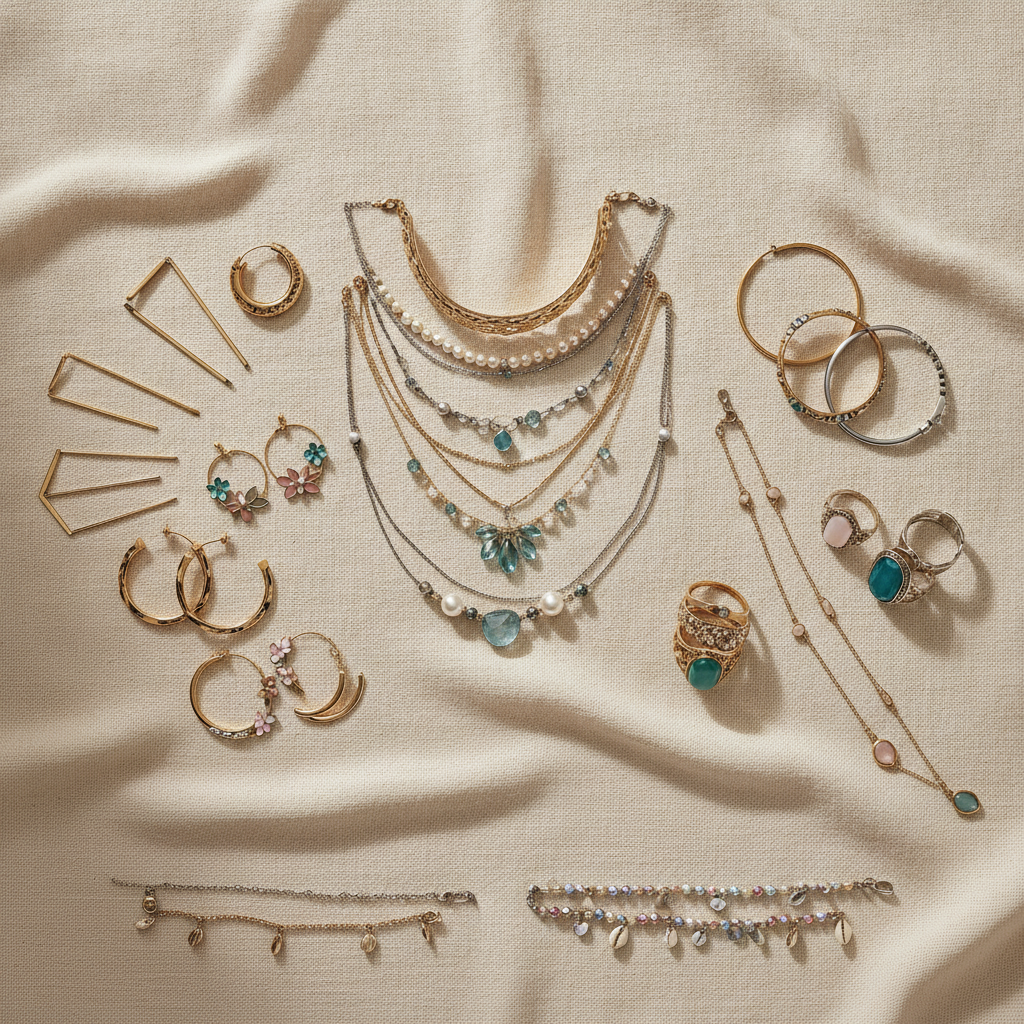
Introduction
Jewellery has always been an important part of personal style, allowing people to express their individuality, celebrate traditions, and enhance their appearance. While precious jewellery made from gold, diamonds, and platinum continues to hold its place, fashion jewellery has emerged as one of the most popular choices for women around the world.
But what exactly is fashion jewellery, and why has it become such a significant part of modern fashion?
Fashion jewellery combines style, creativity, affordability, and versatility, making it accessible to women of all ages and lifestyles. Whether you’re looking for elegant earrings for work, a statement necklace for a celebration, or lightweight accessories for everyday wear, fashion jewellery offers endless possibilities.
In this comprehensive guide, you’ll discover what fashion jewellery is, how it differs from fine jewellery, the materials commonly used, its benefits, and practical tips for choosing pieces that suit your personal style. By the end of this article, you’ll have a clear understanding of why fashion jewellery has become a wardrobe essential and how to build a collection that reflects your personality.
1. What is Fashion Jewellery?
Fashion jewellery, often referred to as costume jewellery, imitation jewellery, or artificial jewellery, is designed primarily to enhance personal style rather than to serve as an investment. Unlike fine jewellery, which is made from precious metals such as gold, platinum, or sterling silver and often features natural gemstones, fashion jewellery is crafted using high-quality alternative materials that deliver beautiful designs at accessible prices.
The appeal of fashion jewellery lies in its ability to combine elegance with versatility. Designers create collections inspired by current fashion trends, cultural influences, and timeless classics, giving women the freedom to experiment with different looks without making a substantial financial commitment.
Modern fashion jewellery may feature materials such as:
- Stainless steel
- Brass
- Alloy metals
- Resin
- Acrylic
- Cubic zirconia
- Synthetic pearls
- Glass crystals
- Enamel
- Premium gold-tone or silver-tone plating
Advances in manufacturing have significantly improved the quality of fashion jewellery. Many pieces now offer refined finishes, intricate detailing, and durability that make them suitable for everyday wear as well as special occasions.
Fashion jewellery is also valued for its flexibility. A single wardrobe can be transformed with different accessories, allowing women to create fresh looks for work, festive celebrations, casual outings, weddings, and formal events.
For brands like Mirana by Anu, fashion jewellery is about helping women express confidence, celebrate their individuality, and enjoy beautiful accessories that complement both traditional and contemporary styles.
2. Fashion Jewellery Meaning
The term fashion jewellery refers to jewellery created to follow or complement fashion trends. Its purpose is not determined by the intrinsic value of the materials used but by the design, craftsmanship, styling possibilities, and ability to enhance an outfit.
Because fashion trends evolve, fashion jewellery offers the flexibility to refresh your look with new colours, textures, and styles without replacing your entire wardrobe. It allows women to adapt their accessories to different seasons, occasions, and personal preferences.
Today, fashion jewellery includes everything from minimalist necklaces and elegant stud earrings to bold statement pieces, temple-inspired collections, bracelets, rings, and contemporary chokers. It has become an essential part of everyday dressing because it offers variety, affordability, and the freedom to experiment with style.
3. The History of Fashion Jewellery
Fashion jewellery may seem like a modern trend, but its roots go back thousands of years. Throughout history, people have worn jewellery not only as a symbol of wealth but also to express identity, culture, spirituality, and personal style.
Understanding the history of fashion jewellery helps us appreciate how it has evolved into the stylish and accessible accessory we know today.
Ancient Civilisations
The earliest jewellery dates back more than 100,000 years, when people created ornaments using shells, bones, stones, feathers, and wood.
As civilisations advanced, jewellery became more sophisticated.
Ancient Egypt
The Egyptians believed jewellery represented power, protection, and status.
Popular materials included:
- Gold
- Coloured glass
- Semi-precious stones
- Beads
Many modern jewellery designs still borrow inspiration from Egyptian motifs.
Ancient India
India has one of the richest jewellery traditions in the world.
Jewellery was deeply connected with:
- Religion
- Festivals
- Weddings
- Royal families
- Cultural identity
Traditional styles such as:
- Temple Jewellery
- Kundan Jewellery
- Meenakari
- Jadau
continue to inspire today’s fashion jewellery designers.
Ancient Rome & Greece
Jewellery became a symbol of prestige and social standing.
Designs often featured:
- Laurel leaves
- Mythological figures
- Pearls
- Gemstones
- Intricate metalwork
The Industrial Revolution
The Industrial Revolution transformed jewellery manufacturing forever.
For the first time:
- Jewellery could be produced in larger quantities.
- Manufacturing became more efficient.
- Decorative accessories became affordable for ordinary people.
This period laid the foundation for what we now call fashion jewellery.
The Rise of Costume Jewellery
During the early 20th century, fashion icons and designers helped popularise affordable jewellery.
Instead of using diamonds and precious metals, designers began experimenting with:
- Glass crystals
- Rhinestones
- Alloy metals
- Faux pearls
- Enamel
Women could now own multiple jewellery sets instead of investing in just one expensive collection.
The Modern Era
Today, fashion jewellery is one of the fastest-growing segments of the global fashion industry.
Modern consumers value:
- Design
- Variety
- Affordability
- Sustainability
- Personal expression
Online shopping and social media have also transformed how women discover and style jewellery.
Instead of waiting for seasonal collections in physical stores, customers can now explore thousands of designs online and receive styling inspiration from influencers, fashion creators, and designers around the world.
4. Why Fashion Jewellery Has Become So Popular
Fashion jewellery has become a wardrobe essential because it perfectly matches today’s lifestyle. Women want accessories that are stylish, comfortable, versatile, and affordable—and fashion jewellery delivers all of these benefits.
Let’s explore the reasons behind its growing popularity.
1. Affordable Elegance
One of the biggest advantages of fashion jewellery is that it allows women to enjoy elegant designs without spending a fortune.
Instead of purchasing one expensive necklace, you can own several pieces suitable for different occasions.
This flexibility encourages creativity and experimentation.
2. Endless Variety
Fashion trends evolve throughout the year.
Fashion jewellery makes it easy to keep your collection updated with:
- New colours
- Modern shapes
- Seasonal trends
- Contemporary finishes
- Traditional inspirations
No matter your personal style, there is always something new to discover.
3. Perfect for Every Occasion
Unlike heavy traditional jewellery, fashion jewellery offers pieces suitable for every part of daily life.
Examples include:
Office
- Pearl studs
- Minimal pendants
- Slim bracelets
College
- Hoop earrings
- Lightweight necklaces
- Adjustable rings
Weddings
- Temple jewellery
- Statement necklaces
- Chandbalis
Parties
- Crystal earrings
- Cocktail rings
- Layered necklaces
4. Easy to Mix and Match
Fashion jewellery works beautifully with:
- Sarees
- Kurtis
- Dresses
- Jeans
- Formal suits
- Indo-western outfits
Owning versatile accessories means you can create dozens of looks without buying an entirely new wardrobe.
5. Lightweight and Comfortable
Many women wear jewellery throughout the day.
Modern fashion jewellery focuses on:
- Lightweight materials
- Comfortable clasps
- Adjustable sizing
- Smooth finishes
making it practical for long hours of wear.
6. Encourages Personal Expression
Jewellery tells a story.
Some women love:
- Minimal elegance
Others enjoy:
- Bold statement jewellery
Some prefer:
- Vintage designs
Others choose:
- Contemporary geometric styles
Fashion jewellery allows everyone to express their individuality.
Quick Benefits Summary
| Benefit | Why It Matters |
| Affordable | Build a larger collection without overspending |
| Stylish | Stay updated with trends |
| Lightweight | Comfortable for everyday wear |
| Versatile | Matches multiple outfits |
| Trendy | Easy to refresh your style |
| Gift-worthy | Suitable for birthdays, anniversaries and celebrations |
5. Fashion Jewellery vs Fine Jewellery
This is one of the most searched questions online.
Although both categories are beautiful, they serve different purposes.
Understanding these differences helps buyers make informed decisions.
| Feature | Fashion Jewellery | Fine Jewellery |
| Materials | Alloy, brass, stainless steel, resin, crystals | Gold, platinum, sterling silver |
| Stones | Cubic zirconia, crystals, synthetic pearls | Natural diamonds and gemstones |
| Cost | Budget-friendly | Premium investment |
| Purpose | Fashion and styling | Luxury and long-term value |
| Variety | Extensive | Limited by cost |
| Trend Updates | Frequent | Less frequent |
| Everyday Use | Excellent | Depends on the piece |
| Experimentation | High | Lower due to value |
Which One Should You Choose?
The answer depends on your needs.
Choose fashion jewellery if you:
- Enjoy changing styles regularly.
- Want accessories for different occasions.
- Like experimenting with trends.
- Prefer affordability and versatility.
Choose fine jewellery if you:
- Want heirloom-quality pieces.
- Are investing in precious metals.
- Need jewellery for significant milestones.
Many women own both, using fashion jewellery for everyday styling and fine jewellery for special family occasions.
Can Fashion Jewellery Look Premium?
Absolutely.
Today’s high-quality fashion jewellery can look remarkably sophisticated.
Premium collections often feature:
- Fine craftsmanship
- Intricate detailing
- High-quality plating
- Elegant finishes
- Carefully selected stones
- Timeless designs
When styled thoughtfully, fashion jewellery can create an elegant appearance suitable for weddings, celebrations, business events, and formal occasions.
Expert Buying Tip
Instead of asking:
“Does it look expensive?”
Ask:
“Does it look elegant, well-crafted, and suitable for my personal style?”
Confidence and styling often matter far more than the material itself.
6. Common Materials Used in Fashion Jewellery
One of the reasons fashion jewellery has become so popular is the wide variety of materials used to create beautiful, stylish, and affordable accessories. Advances in manufacturing have made it possible to produce jewellery that is lightweight, durable, and visually appealing while remaining accessible to a wide range of customers.
Understanding these materials helps you make informed buying decisions and appreciate the craftsmanship behind each piece.
Alloy Metals
Alloy is one of the most commonly used materials in fashion jewellery. It is created by combining two or more metals to improve strength, durability, and workability.
Why Alloy is Popular
- Lightweight
- Strong and durable
- Easy to shape into intricate designs
- Affordable
- Suitable for gold and silver plating
Many necklaces, earrings, bracelets, and rings are made using premium alloy bases.
Brass
Brass has been used in jewellery making for centuries.
Its warm golden colour makes it an excellent base material for:
- Traditional jewellery
- Temple jewellery
- Antique-finish jewellery
- Vintage-inspired collections
Advantages
- Durable
- Elegant appearance
- Easy to engrave
- Holds intricate detailing well
Stainless Steel
Modern fashion jewellery increasingly uses stainless steel because of its excellent durability.
Benefits
- Rust resistant
- Strong
- Lightweight
- Suitable for everyday wear
- Low maintenance
Minimalist jewellery often uses stainless steel for its sleek, contemporary look.
Copper
Copper has a distinctive warm tone that complements vintage and handcrafted jewellery.
It is frequently used as a base before plating with gold or silver finishes.
Resin
Resin allows designers to create colourful, artistic jewellery that would be difficult to achieve with metal alone.
You’ll often find resin in:
- Earrings
- Rings
- Pendants
- Statement necklaces
Its versatility makes it popular for modern and contemporary designs.
Acrylic
Acrylic is another lightweight material commonly used for bold, colourful jewellery.
Advantages include:
- Bright colours
- Unique shapes
- Comfortable to wear
- Ideal for oversized earrings
Cubic Zirconia (CZ)
Often abbreviated as CZ, Cubic Zirconia is a high-quality synthetic stone known for its brilliance.
It offers:
- Diamond-like sparkle
- Excellent clarity
- Affordable luxury
- Variety of colours and cuts
Many premium fashion jewellery collections incorporate CZ stones for an elegant appearance.
Faux Pearls
Modern faux pearls have improved significantly in quality.
They provide:
- Classic elegance
- Lightweight comfort
- Affordable sophistication
Pearl jewellery remains timeless and suitable for both western and traditional outfits.
Glass Crystals
Glass crystals are designed to reflect light beautifully.
Commonly found in:
- Statement earrings
- Evening jewellery
- Bridal accessories
- Cocktail necklaces
High-quality crystals create a luxurious appearance without the cost of precious gemstones.
Enamel
Enamel introduces vibrant colours and artistic patterns into jewellery.
Popular in:
- Floral jewellery
- Contemporary collections
- Designer pieces
Material Comparison Table
| Material | Best Features | Common Use |
| Alloy | Strong, lightweight | Most jewellery |
| Brass | Traditional appearance | Temple jewellery |
| Stainless Steel | Durable | Daily wear |
| Resin | Colourful | Statement jewellery |
| Acrylic | Lightweight | Fashion earrings |
| Cubic Zirconia | Sparkle | Rings & necklaces |
| Faux Pearls | Classic elegance | Earrings & necklaces |
| Glass Crystals | Luxury appearance | Party jewellery |
| Enamel | Colourful finish | Designer collections |
7. How Fashion Jewellery is Made
Many people assume fashion jewellery is mass-produced with little attention to detail. In reality, creating quality fashion jewellery involves multiple carefully managed stages that combine craftsmanship, technology, and quality control.
Although manufacturing methods vary, the general process follows several key steps.
Step 1 – Design and Concept Development
Every jewellery piece begins with an idea.
Designers draw inspiration from:
- Fashion trends
- Nature
- Architecture
- Traditional Indian motifs
- Global runway collections
- Customer preferences
Sketches are then refined into detailed digital or hand-drawn designs.
Step 2 – Prototype Creation
Before production begins, a prototype is developed.
This allows designers to evaluate:
- Size
- Proportions
- Comfort
- Visual appeal
- Stone placement
Adjustments are made before large-scale manufacturing.
Step 3 – Casting or Moulding
The chosen material is shaped using specialised moulds.
Depending on the design, manufacturers may use:
- Die casting
- Hand casting
- Precision moulding
- CNC-assisted techniques
This stage forms the basic structure of the jewellery.
Step 4 – Polishing
After casting, surfaces are carefully polished to remove imperfections.
A quality polishing process creates:
- Smooth edges
- Comfortable wear
- Professional finish
- Better plating adhesion
Step 5 – Plating
Many fashion jewellery pieces receive decorative finishes such as:
- Gold tone
- Silver tone
- Rose gold
- Antique finish
- Oxidised finish
High-quality plating enhances appearance and improves durability.
Step 6 – Stone Setting
Skilled craftsmen carefully secure:
- Cubic zirconia
- Glass crystals
- Faux pearls
- Decorative stones
Well-set stones remain secure during regular use.
Step 7 – Quality Inspection
Before reaching customers, jewellery should undergo quality checks.
Inspectors examine:
- Finish quality
- Stone alignment
- Clasp strength
- Surface smoothness
- Plating consistency
- Overall craftsmanship
Reliable brands place strong emphasis on quality control.
8. Different Types of Fashion Jewellery
Fashion jewellery includes a wide range of accessories designed for different occasions and personal styles.
Some of the most popular categories include:
Necklaces
Available in:
- Pendants
- Layered necklaces
- Statement necklaces
- Pearl strands
- Temple necklaces
Suitable for both traditional and western outfits.
Earrings
Popular styles include:
- Studs
- Hoops
- Jhumkas
- Chandbalis
- Drops
- Ear cuffs
Bracelets
Fashion bracelets include:
- Chain bracelets
- Charm bracelets
- Cuffs
- Kada-inspired bracelets
- Pearl bracelets
Rings
Available in:
- Minimal rings
- Cocktail rings
- Adjustable rings
- Floral rings
- Contemporary geometric designs
Chokers
Modern chokers are available in:
- Pearl
- Temple-inspired
- Crystal
- Minimal chain
- Kundan-inspired designs
Anklets
Anklets remain popular for:
- Casual wear
- Beach holidays
- Festivals
- Traditional attire
Brooches
Brooches are making a comeback in modern fashion.
They add elegance to:
- Blazers
- Sarees
- Shawls
- Jackets
Hair Accessories
Decorative hair accessories complement jewellery beautifully.
Examples include:
- Hair pins
- Hair vines
- Decorative clips
- Floral accessories
Which Type Should You Buy First?
If you’re starting your jewellery collection, prioritise versatile essentials:
✔ Stud earrings
✔ Hoop earrings
✔ Pendant necklace
✔ Slim bracelet
✔ Minimal ring
✔ Statement earrings
✔ One traditional jewellery set
This provides flexibility for everyday wear and special occasions.
Expert Buying Insight
Rather than purchasing many similar items, build a balanced collection across different categories. A carefully curated selection gives you more styling options and better value over time.
9. Benefits of Fashion Jewellery
Fashion jewellery has become an indispensable part of modern wardrobes because it offers far more than just visual appeal. It combines affordability, versatility, creativity, and convenience, making it suitable for women of all ages and lifestyles.
Let’s explore the key benefits that make fashion jewellery so popular.
1. Affordable Style
One of the greatest advantages of fashion jewellery is that it allows you to enjoy stylish accessories without making a significant financial investment.
Instead of purchasing one expensive necklace, you can build a collection featuring necklaces, earrings, bracelets, rings, and chokers suitable for different occasions.
This flexibility allows you to refresh your look more often while staying within your budget.
2. Endless Variety
Fashion trends change throughout the year, and fashion jewellery evolves with them.
You can choose from:
- Minimalist designs
- Contemporary collections
- Traditional temple-inspired jewellery
- Pearl jewellery
- Geometric styles
- Floral designs
- Vintage-inspired pieces
- Statement accessories
This variety ensures that there is something for every personality and occasion.
3. Perfect for Every Occasion
Whether you’re dressing for work, a family celebration, a festive event, or a weekend outing, fashion jewellery offers suitable options.
For example:
- Office: Delicate pendants and stud earrings
- College: Hoop earrings and lightweight necklaces
- Festivals: Temple jewellery and jhumkas
- Weddings: Statement necklaces and chandbalis
- Parties: Crystal earrings and cocktail rings
4. Easy to Experiment with Trends
Fashion jewellery gives you the freedom to explore new colours, textures, and designs without a major investment.
Want to try bold earrings or layered necklaces? Fashion jewellery makes experimenting enjoyable and affordable.
5. Lightweight and Comfortable
Modern fashion jewellery is designed with comfort in mind.
Many pieces are:
- Lightweight
- Easy to wear
- Comfortable for long hours
- Suitable for travel
6. A Thoughtful Gift Option
Fashion jewellery makes an excellent gift because it is stylish, practical, and suitable for many occasions.
Popular gifting occasions include:
- Birthdays
- Anniversaries
- Mother’s Day
- Raksha Bandhan
- Valentine’s Day
- Weddings
- Festivals
10. Fashion Jewellery for Different Occasions
Choosing the right jewellery for the occasion helps create a polished and balanced look.
Everyday Wear
For daily use, comfort and simplicity are key.
Recommended pieces:
- Pearl studs
- Small hoops
- Delicate pendant necklaces
- Slim bracelets
- Minimal rings
Office Wear
Professional settings call for understated elegance.
Choose:
- Fine chains
- Stud earrings
- Slim bracelets
- Minimal rings
Avoid oversized statement jewellery in formal workplaces.
College and Casual Outings
College students often prefer fashionable yet practical accessories.
Great choices include:
- Hoop earrings
- Adjustable rings
- Layered necklaces
- Charm bracelets
Festivals
Indian festivals are the perfect time to embrace traditional styles.
Popular options:
- Temple jewellery
- Jhumkas
- Antique-finish necklaces
- Kundan-inspired sets
Weddings
Wedding jewellery should complement your outfit without overpowering it.
Guests can opt for:
- Statement earrings
- Elegant necklaces
- Temple-inspired jewellery
- Embellished bracelets
Parties
For evening events and celebrations:
- Crystal earrings
- Cocktail rings
- Layered necklaces
- Bold cuffs
Occasion Guide
| Occasion | Recommended Jewellery |
| Daily Wear | Pendant necklace, studs |
| Office | Minimal jewellery |
| College | Hoops, layered chains |
| Casual Outing | Charm bracelet, floral ring |
| Festival | Temple jewellery, jhumkas |
| Wedding | Statement necklace, chandbalis |
| Party | Crystal earrings, cocktail ring |
11. How to Choose Quality Fashion Jewellery
Not all fashion jewellery is created equal. Paying attention to a few important details can help you choose pieces that look elegant and last longer.
Check the Finish
Quality jewellery should have:
- Smooth edges
- Even plating
- No visible scratches
- Consistent colour
Inspect the Clasps
For necklaces and bracelets:
- Ensure clasps close securely.
- Check that hinges move smoothly.
- Test adjustable chains.
Examine Stone Setting
Stones should sit firmly in place without movement.
Loose stones may indicate poor craftsmanship.
Consider Weight
Very light jewellery is comfortable, but pieces that feel unusually flimsy may not offer the durability you expect.
Aim for jewellery that balances comfort with quality construction.
Read Product Descriptions
When shopping online, look for descriptions that include:
- Material information
- Dimensions
- Weight (if provided)
- Care instructions
- Multiple product images
These details help you make informed purchasing decisions.
Expert Buying Tip
Rather than focusing only on price, evaluate the overall value by considering craftsmanship, design, versatility, and how often you expect to wear the piece.
12. Common Myths About Fashion Jewellery
Many misconceptions surround fashion jewellery. Let’s separate fact from fiction.
Myth 1: Fashion Jewellery Looks Cheap
Reality:
High-quality fashion jewellery can look elegant and sophisticated when designed with attention to detail and styled well.
Myth 2: It Doesn’t Last
Reality:
With proper care and storage, many fashion jewellery pieces remain beautiful for years.
Myth 3: It Is Only for Young Women
Reality:
Fashion jewellery is available in styles suitable for teenagers, professionals, brides, and mature women alike.
Myth 4: It Doesn’t Suit Traditional Outfits
Reality:
Temple jewellery, Kundan-inspired designs, pearls, and antique finishes beautifully complement sarees, lehengas, and salwar suits.
Myth 5: Expensive Means Better
Reality:
Price alone does not determine quality. Thoughtful design, careful craftsmanship, and appropriate materials are equally important.
13. Caring for Your Fashion Jewellery
Simple habits can extend the life of your jewellery.
Care Tips
✔ Store pieces separately.
✔ Keep away from perfumes and lotions.
✔ Remove before swimming or showering.
✔ Wipe with a soft cloth after use.
✔ Store in a cool, dry place.
Avoid exposing jewellery to excessive moisture or harsh chemicals.
14. Frequently Asked Questions
What is fashion jewellery?
Fashion jewellery is jewellery designed primarily for style and self-expression rather than investment. It is made from alternative materials such as alloys, stainless steel, brass, crystals, faux pearls, and premium finishes.
Is fashion jewellery the same as artificial jewellery?
The terms are often used interchangeably, although “fashion jewellery” highlights style and design, while “artificial jewellery” emphasises that it is not made from precious metals.
Can fashion jewellery be worn every day?
Yes. Lightweight, well-made pieces such as stud earrings, pendant necklaces, and slim bracelets are excellent choices for everyday wear.
How should I clean fashion jewellery?
Use a soft, dry microfiber cloth to remove dust and fingerprints. Avoid abrasive cleaners and soaking pieces in water unless the manufacturer specifically recommends it.
Does fashion jewellery suit traditional Indian outfits?
Absolutely. Temple-inspired designs, pearl jewellery, jhumkas, and antique-finish collections pair beautifully with sarees, lehengas, and festive wear.
How do I know if fashion jewellery is good quality?
Look for smooth finishes, secure clasps, firmly set stones, comfortable construction, and clear product information from a trusted seller.
Is fashion jewellery suitable for gifting?
Yes. Elegant necklaces, earrings, bracelets, and adjustable rings make thoughtful gifts for birthdays, anniversaries, festivals, and other celebrations.
Can I wear fashion jewellery with western clothing?
Yes. Minimal necklaces, hoop earrings, geometric rings, and layered chains work especially well with dresses, shirts, blazers, and casual outfits.
15. Conclusion
Fashion jewellery has transformed the way women accessorise by making stylish, versatile, and beautifully crafted pieces accessible for everyday life. Whether you prefer timeless elegance, contemporary minimalism, or traditional Indian artistry, fashion jewellery offers endless opportunities to express your personality.
Understanding the materials, craftsmanship, styling options, and care techniques discussed in this guide will help you build a jewellery collection that is both practical and inspiring.
Rather than following every passing trend, focus on choosing versatile pieces that reflect your personal style and complement your wardrobe. A carefully curated collection will serve you across workdays, celebrations, holidays, and special occasions.
At Mirana by Anu, our goal is to offer thoughtfully designed fashion jewellery and accessories that help women feel confident, stylish, and ready for every moment.
Explore the Mirana by Anu Collection
Discover jewellery designed to complement every occasion:
- Elegant Necklaces
- Stylish Earrings
- Contemporary Rings
- Beautiful Bracelets
- Temple Jewellery
- Chic Handbags
- Designer Clutches
- Traditional Potli Bags
Find accessories that celebrate your individual style and elevate every outfit.
